
Table of Contents
- What Defines Ethical Jewelry Brands
- Lab Grown Diamonds vs Mined Diamonds: The Ethical Difference
- How to Identify Sustainable Jewelry and Recycled Gold Jewelry Benefits
- Frequently Asked Questions
Last Updated: September 20, 2026
What Defines Ethical Jewelry Brands
Ethical jewelry brands prioritize fair labor practices, responsible sourcing, and environmental stewardship through transparent supply chains that trace materials from source to finished product, distinguishing themselves from brands making unverified sustainability claims.
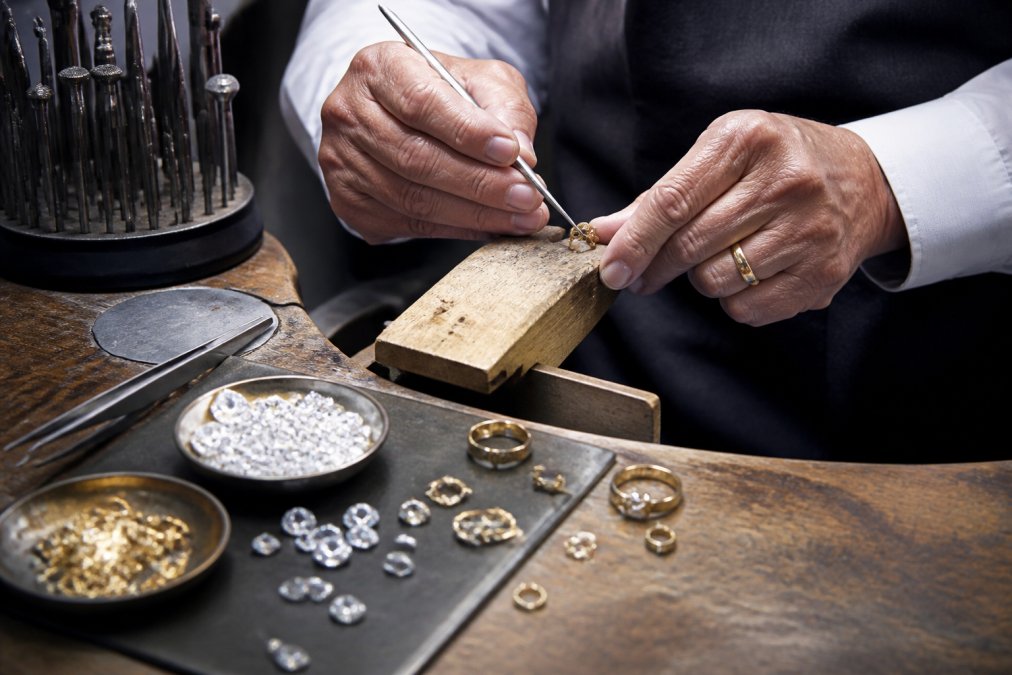
At Benchcraft Bling, our handcrafted pieces use lab-grown diamonds and recycled precious metals with transparent sourcing, made by a master bench jeweler with over 40 years of experience.
Core pillars include conflict-free gemstones, fair wages, recycled metals, and minimal environmental impact, verified through third-party certification rather than self-reporting.
Lab Grown Diamonds vs Mined Diamonds: The Ethical Difference
Lab-grown diamonds are chemically identical to mined diamonds, created in weeks to months, eliminating conflict-financing risk and generating a fraction of mining's carbon footprint, while mined diamonds disrupt ecosystems and consume vast water resources.

Lab-grown diamonds win on environmental impact and supply chain clarity; mined diamonds require deeper verification.
How to Identify Sustainable Jewelry and Recycled Gold Jewelry Benefits
Identify sustainable jewelry by checking supply chain transparency, brands should name suppliers and document environmental practices through third-party certifications rather than self-reporting.
Recycled gold eliminates new mining, cutting carbon emissions and water consumption while performing identically to newly mined gold.
| Sustainable Practice | What It Means | Why It Matters |
|---|---|---|
| Recycled gold | Melted and refined from existing jewelry | Eliminates new mining; cuts carbon footprint |
| Lab-grown diamonds | Created in laboratory conditions | Eliminates mining conflict; ensures traceability |
| Fair trade certification | Independent verification of labor practices | Guarantees artisans receive fair compensation |
| Supply chain transparency | Documented sourcing from mine to finished piece | Allows verification of ethical claims |
| Conflict-free gemstones | Certified to exclude war-zone diamonds | Prevents financing of armed conflict |
Ethical jewelry brands for conscious consumers that invest in transparent sourcing, recycled materials, and third-party certification represent the strongest choices; ask direct questions about sourcing and labor standards.
Choosing ethical jewelry brands for conscious consumers means prioritizing transparency and verification. At Benchcraft Bling, we build every piece with lab-grown diamonds, recycled metals, and 40+ years of master craftsmanship. SHOP NOW →
Frequently Asked Questions
What makes a jewelry brand truly ethical?
An ethical jewelry brand prioritizes supply chain transparency, fair wages for workers, and responsible sourcing of materials. Look for third-party certifications, conflict-free gemstone documentation, and companies that disclose their manufacturing practices. Ethical brands use lab-grown diamonds or recycled precious metals to reduce environmental impact and avoid the harm associated with traditional mining operations.
Are lab-grown diamonds considered ethical compared to mined diamonds?
Lab-grown diamonds are generally considered more ethical than mined diamonds because they eliminate mining's environmental degradation and labor concerns. They're created in controlled facilities using advanced technology, requiring significantly less water and producing no mining waste. Lab-grown diamonds carry the same physical and chemical properties as mined stones but with a substantially smaller carbon footprint and no risk of funding conflict.
How can I verify if a jewelry brand is sustainable and trustworthy?
Request documentation of third-party certifications, gemstone grading reports, and sourcing information. Reputable brands provide detailed product descriptions and stand behind their craftsmanship. Check for transparency about materials, whether they use Continuum Sterling Silver (harder than traditional sterling), recycled metals, or lab-created stones, and verify the artisan's experience and credentials.