
Table of Contents
- Common Fine Jewelry Repairs and What to Expect
- What Is Covered Under a Jewelry Warranty?
- How Often Should You Clean Diamond Rings and Schedule Inspections?
- DIY vs. Professional Repair Risks
- Insurance Claims Integration
- Warranty Red Flags to Watch For
- Repair Sustainability and Jewelry Longevity
- How to Choose a Reputable Jeweler
- What to Expect During a Repair Service
- Frequently Asked Questions
Last Updated: September 19, 2026
Common Fine Jewelry Repairs and What to Expect
Fine jewelry repair restores damaged or worn pieces, from ring resizing to stone replacement. At Benchcraft Bling, each piece is handcrafted by a master bench jeweler with over 40 years of experience.
Common repairs include ring resizing, prong tightening, stone replacement, clasp and chain repair, shank repair, and rhodium plating.
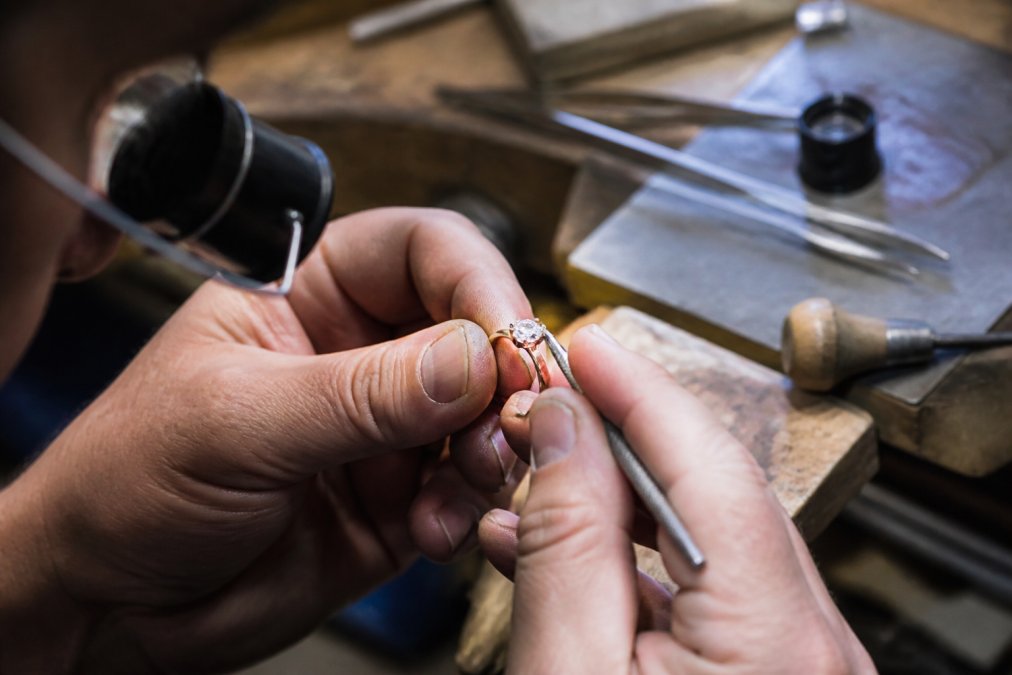
Turnaround varies: simple prong tightening might take a day, while full restoration with stone replacement can take two weeks or more.
What Is Covered Under a Jewelry Warranty?
A jewelry warranty is a written guarantee covering specific defects in materials or workmanship for a defined period, typically manufacturing flaws rather than wear and tear or accidents.
| Covered | Usually Not Covered |
|---|---|
| Manufacturing defects | Accidental damage |
| Loose stones from faulty setting | Loss or theft |
| Clasp failure from poor construction | Normal wear and tear |
The FTC guidelines on warranties and guarantees require sellers to clearly disclose what's covered and what isn't before purchase.
How Often Should You Clean Diamond Rings and Schedule Inspections?
Clean diamond rings every two weeks and schedule professional inspections every six months to catch loose prongs and setting issues before they become expensive.
Remove jewelry before showering, swimming, or cleaning; wipe weekly with a soft cloth; clean bi-weekly with mild soap, warm water, and a soft brush; get a professional inspection and ultrasonic cleaning every six months; and an annual appraisal for insurance. Dirt and lotion buildup can mask loose prongs, so a qualified technician with a loupe will spot issues you can't see.
DIY vs. Professional Repair Risks
Home repairs risk scratching precious metals, weakening soldering points, and damaging settings. Professional repair uses laser welding for precision on delicate mountings and documents the work, which matters for insurance claims.
Insurance Claims Integration
Many homeowners or renters policies cover jewelry, but claims require documentation, and a professional appraisal establishes valuation before loss occurs.
When filing a claim, you'll typically need the original appraisal or receipt, photos of the piece before damage, a repair estimate from a qualified jeweler, and a police report if stolen. Insurance Information Institute guidance on jewelry coverage recommends scheduling valuable pieces separately rather than relying on standard policy limits.
Warranty Red Flags to Watch For
Watch for vague language, excessive exclusions, required servicing at specific locations only, no written terms, and short coverage windows. A legitimate service agreement spells out coverage duration, what's included, and the claims process.
Repair Sustainability and Jewelry Longevity
Repairing jewelry is inherently sustainable: every repaired piece is one less item mined, manufactured, and shipped, and precious metals can be reworked almost indefinitely.
U.S. Environmental Protection Agency on sustainable materials management notes that extending product lifespan reduces resource consumption, so regular maintenance and timely repairs keep pieces in circulation for generations.
How to Choose a Reputable Jeweler
Look for verifiable experience, transparent pricing, and a clear repair estimate before work begins, and ask about the bench jeweler's qualifications and whether work is done in-house.
Ask how long they've done repairs, whether they provide a written estimate, their warranty on repair work, for examples of similar repairs, and whether they use laser welding for delicate pieces. A jeweler who hesitates isn't the right choice.
What to Expect During a Repair Service
The process follows a predictable path: assessment under magnification, a written estimate with timeline, your approval of work and material costs, the repair itself, and a quality check before return. Expect to leave the piece for evaluation first, since same-day repairs are rare beyond basic cleaning.
Frequently Asked Questions
What does a standard fine jewelry warranty typically cover?
Most fine jewelry warranties cover manufacturing defects like faulty solder joints, loose settings from the bench, or clasp failure under normal use. They rarely cover accidental damage, lost stones, or wear and tear from daily use. Review the service agreement carefully before purchase. A reputable jeweler will clearly explain what is covered under the jewelry warranty and what falls outside it, so you know exactly what to expect if a repair is needed.
How often should you clean diamond rings at home versus professionally?
Clean diamond rings at home every two to four weeks using warm water, mild dish soap, and a soft brush. This removes oils and lotions that dull the stone. Schedule a professional jewelry inspection and ultrasonic cleaning every six months. A qualified technician can check setting integrity, tighten prongs, and catch metal fatigue before a stone comes loose. This routine keeps your ring looking sharp and protects gemstone security over time.
What are common jewelry repair cost estimates for typical fixes?
Jewelry repair cost estimates vary based on the repair type, metal, and stone. Pricing depends on the piece, the jeweler, and the turnaround time you need. Always request a written repair estimate before authorizing work so there are no surprises when you pick up your jewelry.
Fine jewelry deserves expert care, not guesswork. At Benchcraft Bling, every piece is handcrafted by a master bench jeweler with over 40 years of experience, and that same craftsmanship extends to understanding how to keep your jewelry beautiful for decades. Our pieces are designed to mix, match, and move with you, built for lasting quality whether you're wearing them daily or saving them for milestones. Shop now and invest in jewelry made to last.